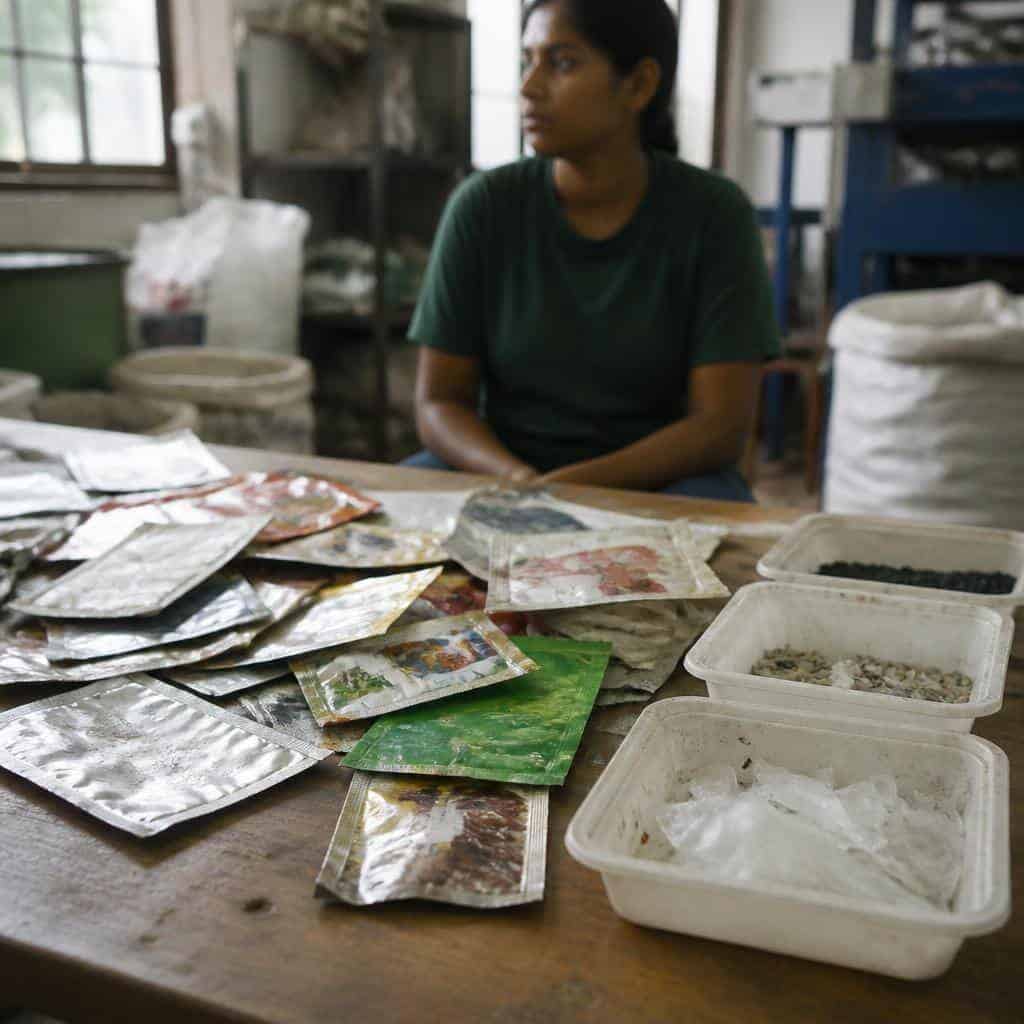
Retort pouches are widely used in the food and beverage industry due to their convenience and ability to preserve products for long periods. However, the recycling of these packages presents specific challenges that affect their environmental footprint. This article explores the recycling processes applicable to retort pouches and how their design influences sustainability efforts within the packaging sector.
What Makes Retort Pouches Difficult to Recycle
Retort pouches are multilayer flexible packages typically composed of combinations of plastic films, aluminum foil, and sometimes paper layers. This multilayer structure provides excellent barrier properties, heat resistance, and durability necessary for thermal sterilization, but it complicates recycling because different materials must be separated before reprocessing.
- Material Composition: The laminated layers cannot be easily separated using conventional recycling methods.
- Contamination Issues: Residual food and liquids inside used pouches require thorough cleaning to avoid quality degradation in recycled materials.
- Limited Recycling Facilities: Not all recycling plants have the technology to handle multilayer flexible packaging, resulting in many pouches ending up in landfills or incineration.
Current Recycling Methods and Their Limitations
Recycling retort pouches typically falls into a few categories involving mechanical and chemical processes. Mechanical recycling struggles with mixed layers due to incompatibility of materials. Chemical recycling and advanced delamination techniques are promising but still emerging at industrial scale.
- Mechanical Recycling: Shredding and washing the pouches to retrieve polymer fractions, but aluminum foil content often remains a major contaminant.
- Chemical Recycling: Breaking down polymers into monomers for reuse, which can handle mixed materials but requires significant energy input and specialized facilities.
- Energy Recovery: Incineration with energy capture is sometimes used, but this does not recover material value and emits greenhouse gases.
Environmental Impact of Retort Pouch Disposal
The disposal route for most used retort pouches significantly influences environmental outcomes. Because the pouches resist biodegradation, landfill accumulation is a concern. Incineration, while reducing volume, introduces emissions. The difficulty in recycling these packages means that their lifecycle often results in resource loss and increased carbon footprint.
Efforts to improve sustainability focus on redesigning retort pouches for easier recyclability, such as using mono-material films or recyclable laminates. These developments aim to lower environmental impact without compromising the package’s protective functions.
How Businesses Can Approach Retort Pouch Sustainability
Companies using retort pouches should consider several factors to align with environmental goals:
- Material Selection: Opt for pouches designed with recyclable materials or certified sustainable components.
- Supplier Collaboration: Work closely with packaging suppliers to develop or source pouches that facilitate recycling.
- Consumer Education: Provide clear instructions for proper disposal and recycling to reduce contamination and increase recovery rates.
- Support Recycling Innovations: Invest in or support initiatives advancing recycling technology for flexible packaging.
One practical step toward addressing these challenges is exploring flexible packaging solutions, including retort pouch options engineered for better end-of-life handling.